Step 1 – Hardware selection
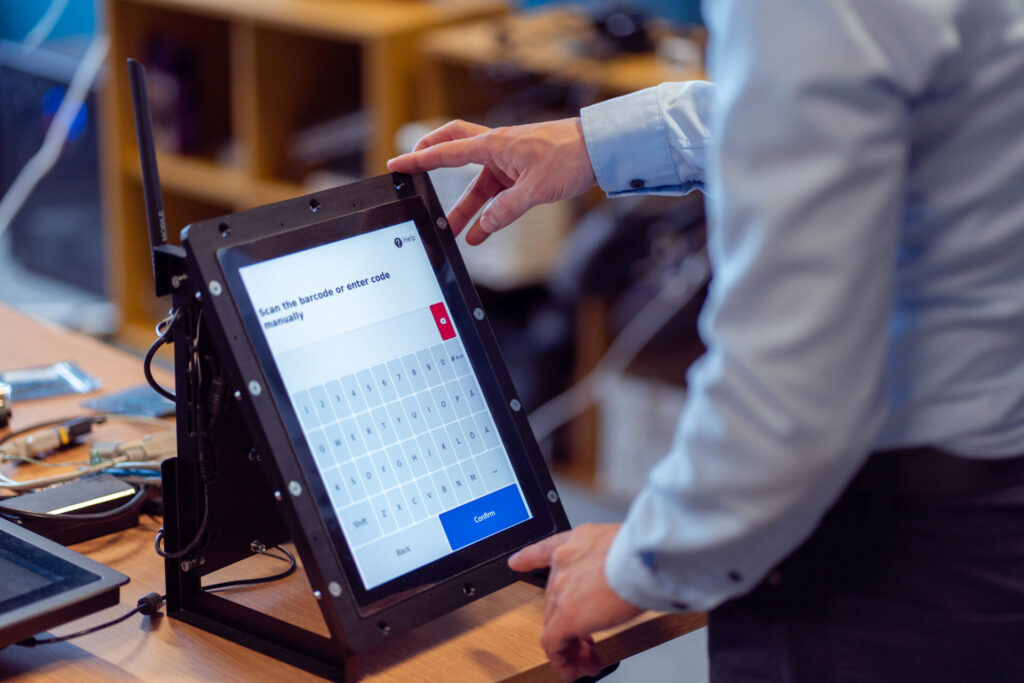
Selection of hardware by the customer. This can be existing hardware or new hardware sourced via a hardware tender.
This is a key moment, since here the customer can check how open the vendors are to operating a 3rd party software solution on their hardware. We also shared an article a couple of months ago about what to look out for in a hardware provider.
Here is a link to read more:
https://collabnet.eu/guide-to-parcel-locker-hardware-evaluation
Step 2 – How will the software communicate to the locker?
Once the hardware vendor is selected, we need to define how our parcel locker software platform will communicate with the hardware.
In most of our software implementations, we communicate directly with the components, meaning the chosen hardware manufacturer will share a list of components used in their lockers.
Then we will create an adapter to manage multiple firmware’s and hardware components within the locker model.
This adapter is created to keep a consistent and standardized interface between our software and the various hardware components, ensuring seamless operation regardless of component variations.
Step 3 – Test kit delivery
Our software teams receive a test kit or test locker from the hardware manufacturer that needs to contain all the necessary components our software needs to communicate with.
To avoid costly on-site visits, we recommend ensuring that test kit components match the batch of lockers being deployed. This ensures that all hardware components we test will be the same ones deployed in the field.
Step 4 – Testing, testing, testing…
Testing, testing, testing. We conduct thorough testing to make sure the parcel locker completes all the commands our software needs to send it, such as opening doors, switching on the scanner and screen, and restarting properly – everything that is needed in day-to-day operations by the customer.
During this stage, our teams actively communicate with representatives from the hardware provider to make sure the end customer is satisfied and everything works as needed.
Step 5 – Locker production & software deployment
By this point, 8 weeks have passed since receiving the communication protocol or API from the hardware vendor. Everything is properly tested, and meanwhile, the parcel lockers finish their production cycle.
As a final step before shipping them out, our software image is installed on them.
Once the lockers are deployed, a technician performs the initial setup and connects the locker to our software platform.
Conclusion
This high-level overview should provide a clear understanding of how a new hardware solution is implemented into our software platform.
We have not shared all of our trade secrets and tricks here, but we want to encourage decision makers in the industry to see that implementing a new hardware solution is not complex when you have the right partner with the right experience and a strong software platform to support it.
If having more flexibility in choosing a new hardware vendor and a good operating solution to manage the entire out-of-home delivery channel is important to you, don’t hesitate to reach out to our team members.